



Successful Conclusion of the 15th Roundtable Meeting of the High-Efficiency HJT 760 W+ Club: Forging New Pathways, Empowering a New Ecosystem
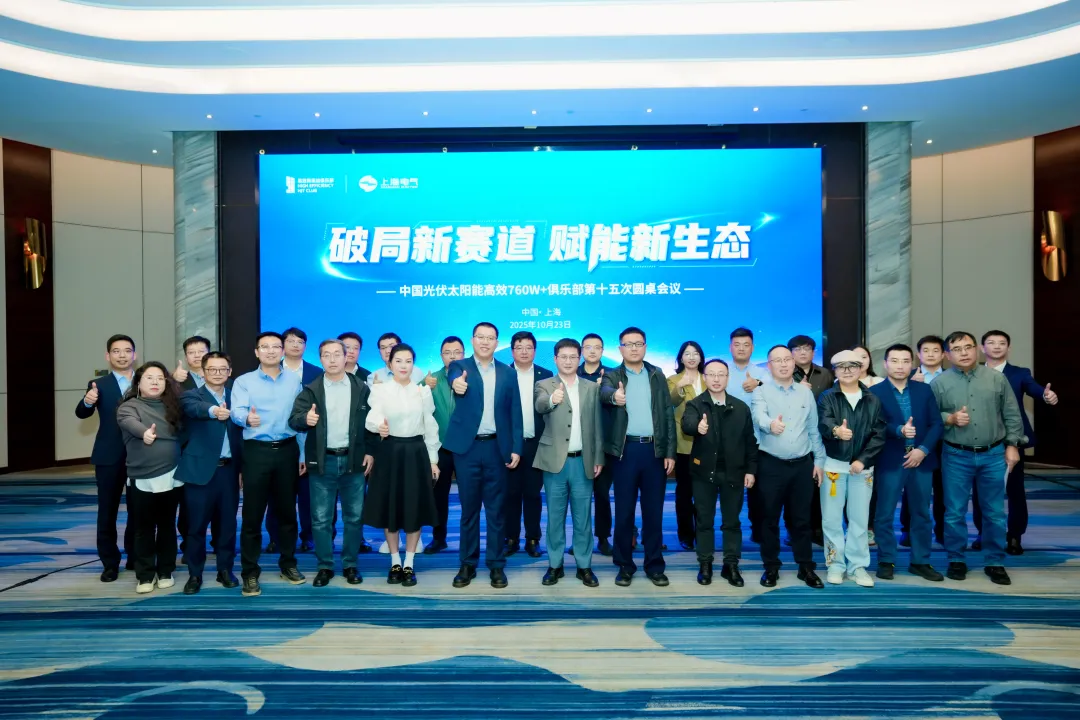
On October 23, 2025, the 15th Roundtable Meeting of the High-Efficiency HJT 760 W+ Club concluded successfully in Primus Hotel Shanghai Hongqiao. Shanghai Hency Solar Technology chaired this session as the rotating chair organization. Representatives from 12 member companies attended the meeting: CNBM Jetion Solar, Golden Solar, Grand Sunergy Technology, Huasun, Jiangsu Soltrend, Leascend Photovoltaic, Mingyang, Quanwei, SoleFiori, SPIC New Energy, Tongwei, and Zhejiang Winhitech New Energy (listed alphabetically). Special guests from the China Photovoltaic Industry Association (CPIA) and SOLARZOOM joined the discussions.
The meeting, chaired by Chen Hui, Deputy General Manager of Shanghai Hency Solar Technology, centered on the theme "Forging New Pathways, Empowering a New Ecosystem." Members shared the latest progress in product performance, reliability, and new technology applications. They also discussed strategies for expanding HJT market share under current conditions.
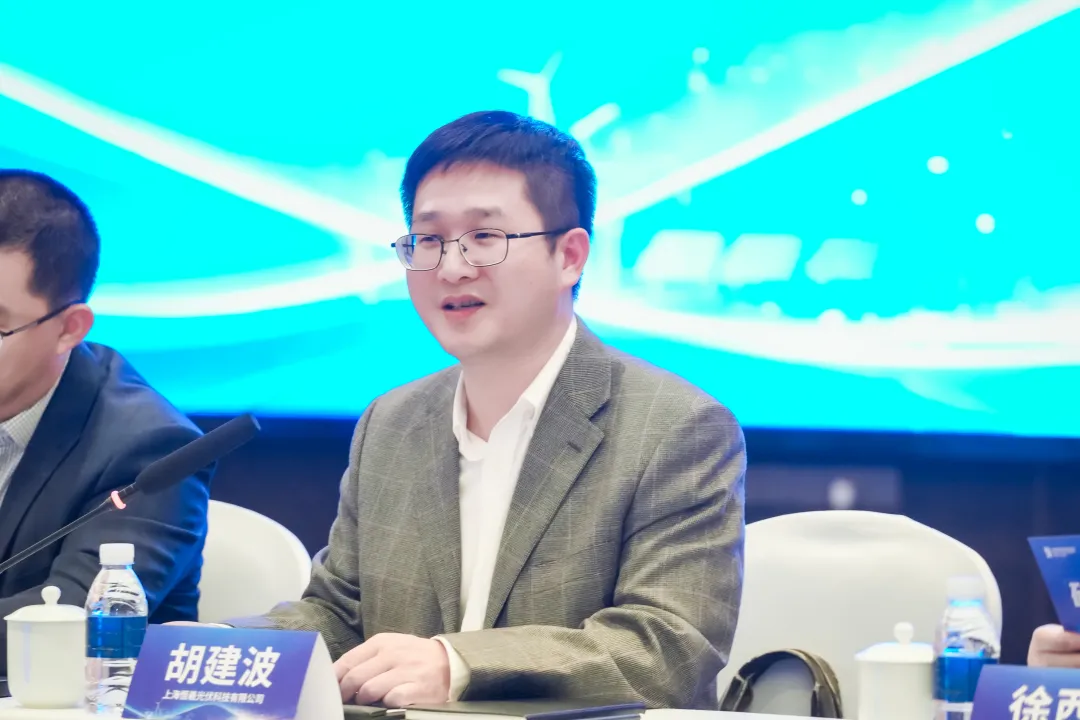
Hu Jianbo, Executive Deputy General Manager of Shanghai Hency Solar Technology, delivered the opening address. He reviewed the club's development and thanked all members for their joint efforts. Hu stated the PV industry is undergoing critical transformation and restructuring. Addressing excessive internal competition has become a central issue. It presents both challenges and opportunities for HJT companies. Hu emphasized the path forward is becoming clearer. Significant cost reductions, distinct competitive advantages, stronger market support, and promising tech prospects collectively encourage HJT companies to persevere. He called for maintaining open cooperation. "There are no lone warriors, only united allies developing together," Hu stated. "Let us make this gathering a new beginning to bring our minds and resources together. Let us work together for industry breakthroughs and a shared vision for an energy future." He concluded by wishing the meeting complete success.
Ⅰ. Industry Review and Outlook
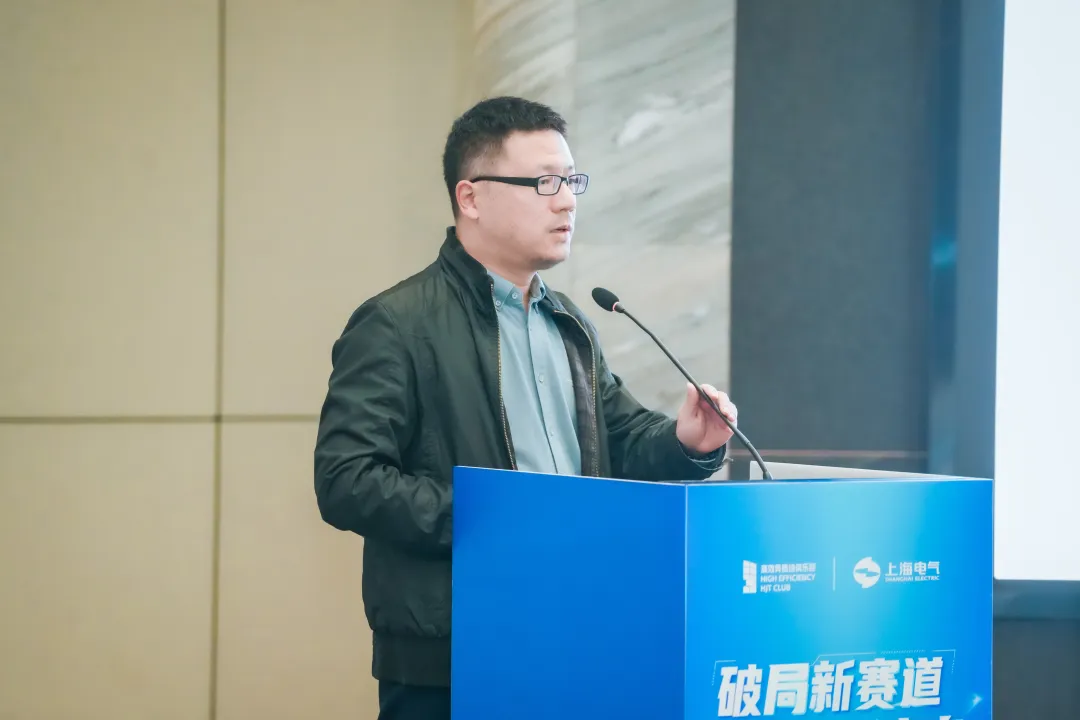
Jiang Hua, Deputy Secretary-General of CPIA, congratulated the meeting's opening and shared industry perspectives. Jiang noted that China's solar industry faced two critical deadlines in 2025: April 30th, the last chance to lock in guaranteed high feed-in tariffs, and May 31st, when all new projects must compete in the wholesale electricity market without subsidies. Therefore, the domestic module installations rose 64.7% year-on-year from January to August 2025, with prices increasing across the supply chain. However, installations declined month-on-month in July and August following the implementation of Document 136 that requires all new wind and solar projects to fully enter the spot market from June 1, 2025, ending fixed government pricing. Although prices have recovered, they remain nearly 30% below 2024 peaks. Overall product prices continue trailing production costs, maintaining industry-wide unprofitability. Low prices have also caused product quality instability. Test pass rates keep falling. Regarding Document 136, Jiang said most regions have not started bidding. Profit calculations remain impossible, and market uncertainty is increasing. On industry struggles, Jiang said government and industry associations are working to solve the problem of internal competition. This adjustment cycle will take time, but prospects remain strong. On HJT technology, Jiang said market share looks less optimistic than predicted. The technology holds major advantages in bifacial rates, low-temperature processing, low-cost paste, and short process flows. But he also noted HJT lacks leading enterprises to drive growth. It lacks an edge in field data and cost-performance ratios. Companies must keep cutting costs and boosting efficiency.
Ⅱ. Shanghai Hency Solar Technology: HJT Technology and Commercialization Progress
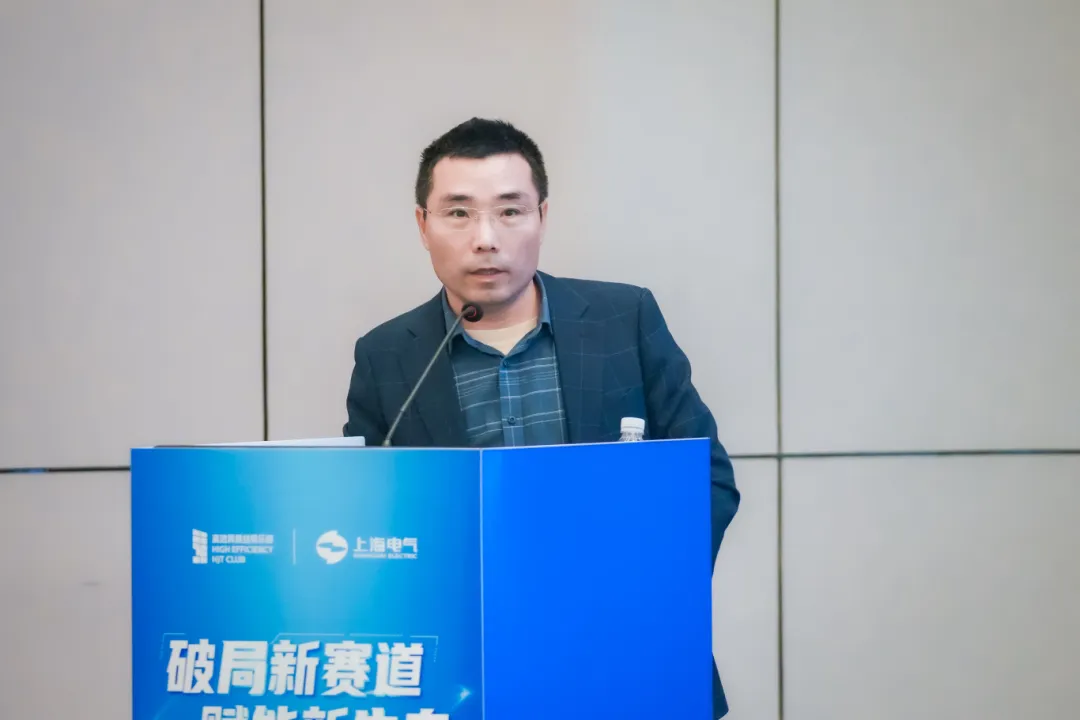
Liang Jianjun, CTO of Shanghai Hency Solar Technology, presented the company's latest HJT technology advances. He said the company delivers efficient, clean solar products and one-stop system solutions worldwide. They continue pushing HJT performance and reliability higher. Liang shared proven results in tackling module UV degradation. High-quality module encapsulation provides the most direct defense against UV and moisture erosion. He also reported strong progress in HJT cell mass production efficiency. These achievements build confidence of companies in the HJT sector.
Ⅲ. High Reflectivity Scenarios (Desert-Gobi-Wasteland): Power Generation Vanguard and Future Potential Exploration
Tian Jiehua, Deputy General Manager of the Technology Center at Huasun, emphasized that HJT modules demonstrate outstanding performance in high-temperature, high-bifaciality, and low-light environments. These modules are particularly suitable for desert, Gobi, and wasteland areas; distributed rooftops; and building integration. Tian stated that HJT companies should focus on their own advantages, specializing in these niche market segments. She also mentioned the need to study the ecological integration of HJT modules. Comparing BOS costs and returns in different scenarios can demonstrate the economic potential of HJT technology.

IV. HJT 0BB Industrialization Development
Hu Qiong, Deputy R&D Director at Winhitech, introduced various 0BB technical solutions, including adhesive printing, welding + printing, film lamination, and printing + welding. Hu analyzed the advantages and disadvantages of each process and cost differences. The print-then-weld method is the lowest cost option. This process most significantly reduces cell paste costs. Hu shared that Winhitech selected the film lamination and welding with dot adhesive processes. He compared data for string return, lamination return, and breakage between them. Multi-process compatibility is highly likely for future 0BB industrialization. HJT technology can improve UV resistance using high-wavelength light conversion film. Efficiency gains from multi-wafer cutting and other technologies will boost HJT market competitiveness.
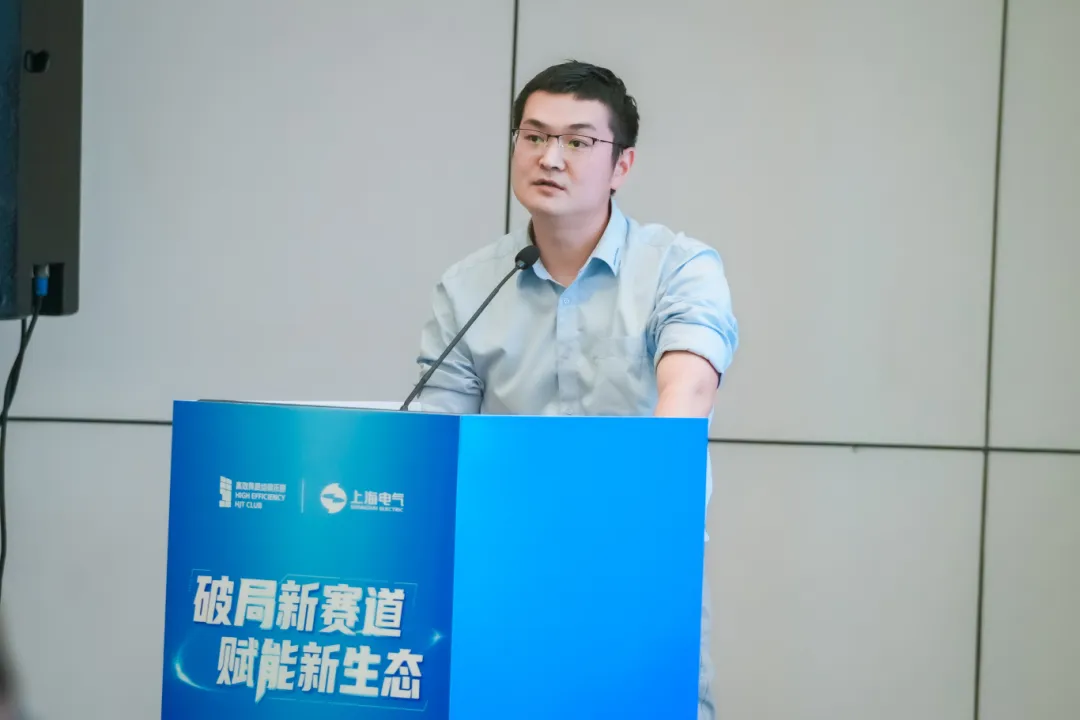
Roundtable: The Path for PV Development after Release of Document 136
Chen Hui considered that Document 136 significantly impacts the new energy sector. Its implementation has broken the original investment return model. Chen observed that owners currently show a stronger preference for wind power, and the allocation of new energy installation capacity is also tilting towards wind energy. He warned this trend could widen the existing supply and demand gap. Chen invited the CPIA and all members present to share their views on how PV should develop following Document 136.

Jiang Hua, Deputy Secretary-General of the CPIA, expressed firm belief that the domestic PV market will maintain an annual growth rate of 200 GW. Due to the impact of Document 136, the power generation sector's landscape will change. Players in this sector will shift their focus from securing fixed investment returns to enhancing market trading capabilities. This shift aims to achieve higher returns relative to other industry participants. Jiang believes the government will maintain its focus on the domestic market. Stable growth of the PV market has policy support.
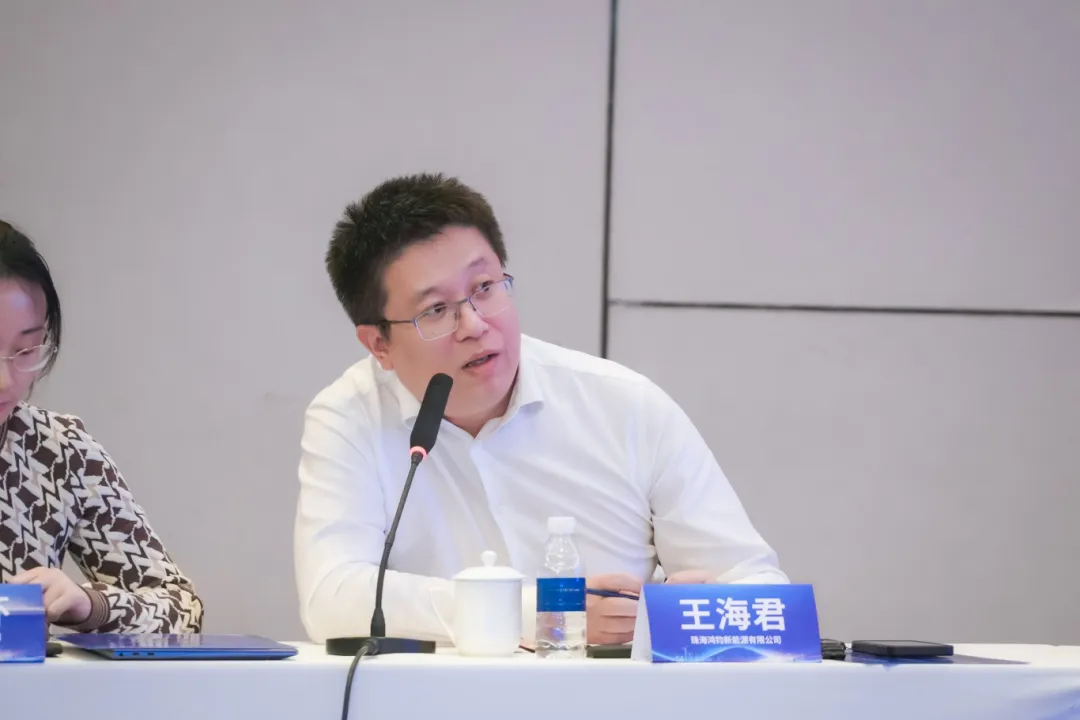
Wang Haijun, Vice President of SoleFiori, affirmed the confidence of the HJT industry from this meeting. He stated that as anti-involution efforts continue, HJT cost disadvantages will gradually diminish. Wang hoped to see more efficiency-enhancing solutions at future conferences to help HJT technology continuously improve its competitiveness.
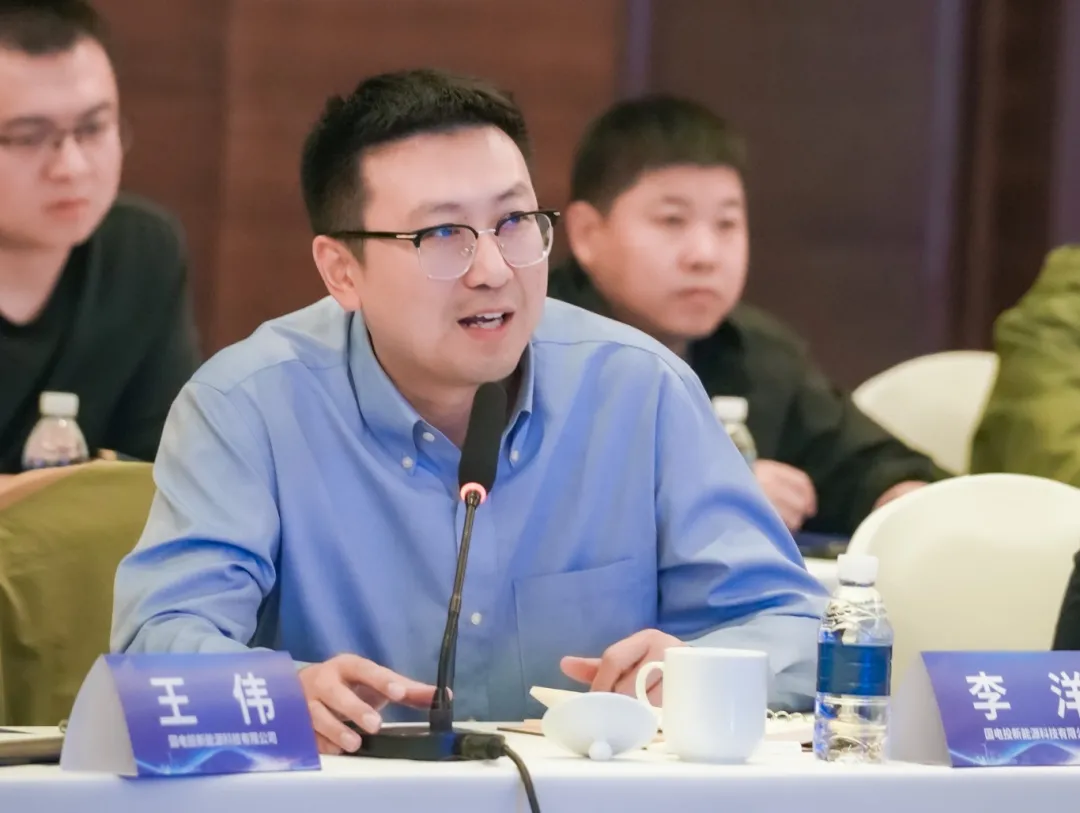
Li Yang, Vice President of SPIC New Energy, stated that Document 136 has significantly impacted PV projects of China's five central SOE power giants and six other major state-affiliated generators. Most central state-owned enterprises' PV projects were largely stalled in the first half of the year. Project construction resumed in the second half due to annual investment targets. This occurred even though these enterprises had lowered their project return rate thresholds. He noted that project advancement remains extremely difficult. HJT transaction prices are falling short of expectations. Costs for the technology remain high. HJT technology faces unprecedented major challenges. Therefore, improving HJT cell efficiency is now an urgent priority. He called it the key to breaking the current deadlock. Top-tier companies of the club need to take the lead in boosting HJT module performance. It is not just for themselves, but by sharing expertise and driving collective progress that elevates the entire industry's reputation.
Tang Doudou, Vice President of Leascend Photovoltaic, considered the future solar market as a multi-technology landscape where HJT must strengthen its market position and brand visibility through trade shows, benchmark projects, and technical white papers. The goal is to highlight HJT's efficiency edge while building a complementary ecosystem that creates mutual value alongside other technology pathways.

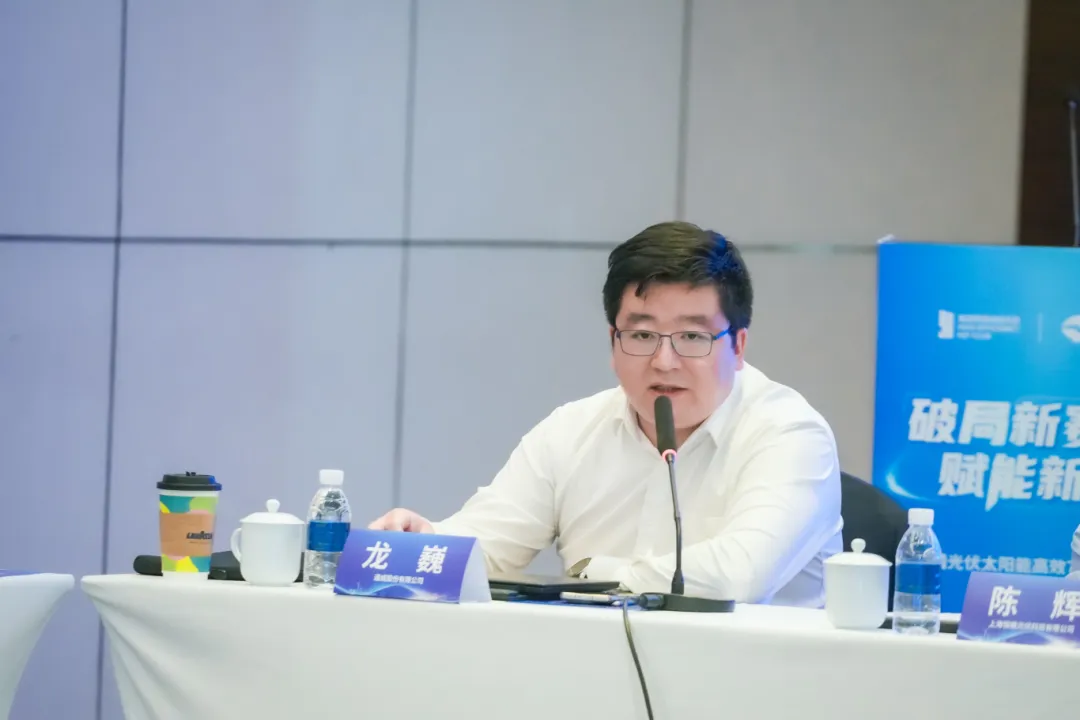
Long Wei, Head of cell development at Tongwei's PV Technology Center, presented the company's HJT breakthroughs: silver consumption reduced to 4 mg/W and front-side power output now on par with BC modules’ output. At current silver prices (RMB 10,500/kg as of Oct 23), high-power HJT modules have reached cost parity with high-efficiency TOPCon, with rising silver prices accelerating the convergence. He urged confidence in HJT's future efficiency roadmap and cost-down potential, stressing that efficiency gains are critical. The cost cutting without power improvements yields marginal returns. HJT must target specific applications and niche markets to secure market share.
Guo Wanwu, Deputy General Manager of CNBM Jetion Solar, concurred with Long's assessment, noting that HJT industrialization remains in its early stages. Outside of hardware investments, there's substantial room for tech improvement. He revealed that CNBM Jetion Solar achieved efficiency gains over the past six months without new capital expenditure. He contends that the BOM cost for HJT technology is not significantly higher than that of other technical approaches. The primary factor driving its overall cost premium lies in the elevated processing expenses stemming from low production utilization rates and insufficient market share.

Zhang Wenbin, CTO and Executive Director of the Research Institute at Grand Sunergy Technology, offered his perspective on HJT solar cell efficiency and costs. He considered that the path to higher efficiency is clear, but achieving those targets requires massive production line investment and industry-wide scaling. Zhang noted that the current HJT production scale is insufficient to drive down manufacturing costs. However, while small-scale output creates cost disadvantages, HJT's limited overall scale also allows companies to carve out a unique niche to maintain market share and stable operating rates.

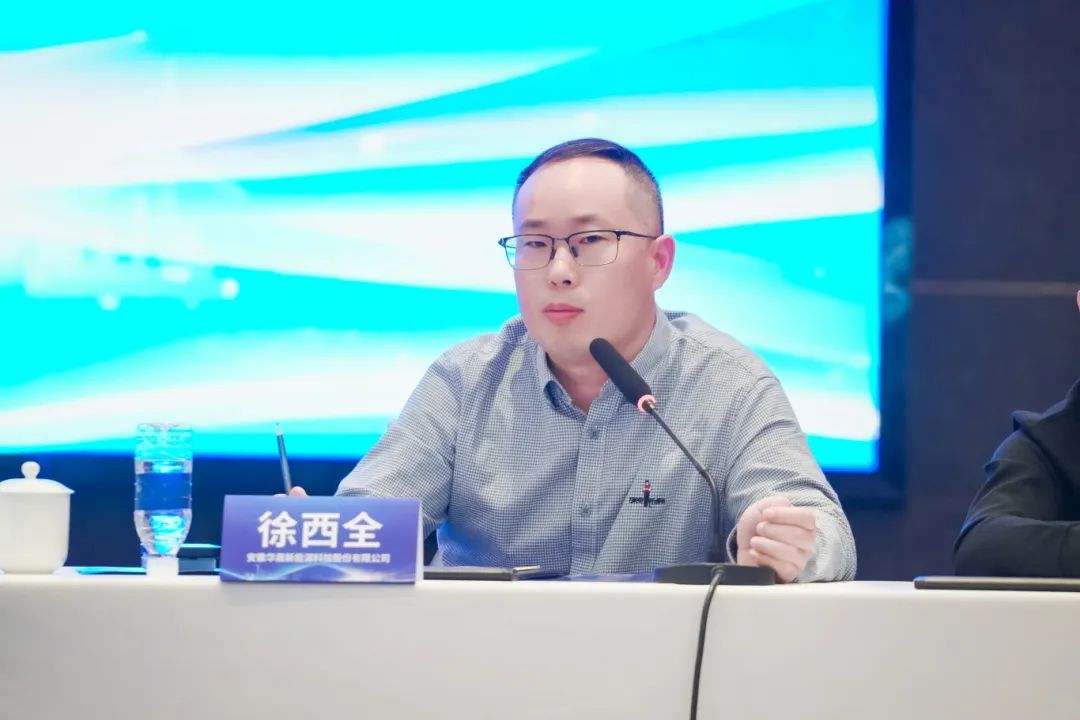
Xu Xiquan, Vice President of Huasun, believes HJT companies have not adequately addressed degradation concerns. He shared HuaSun's encouraging progress in controlling degradation rates and called for greater collaboration among HJT players to enable resource sharing and joint development.
Ma Yiwei, Vice President of SOLARZOOM, believes HJT's path to winning the three-way technology race hinges more on macro market dynamics than individual corporate efforts. At this critical juncture, HJT companies should focus on leveraging their tech edge to carve out niche market share, essentially surviving until the next growth cycle opens. The sector needs an established leader to step up and drive broader adoption.

This roundtable concluded the first phase of the club, gathering companies under the theme "Forging New Pathways, Empowering a New Ecosystem" to explore how HJT can navigate current headwinds. As the final session of the first phase, this meeting served as a bridge, building on past achievements and paving the way for the future. The club summarized existing development issues and noted many encouraging developments. Guided by win-win cooperation, the members committed to open collaboration in technology, production capacity, and ecosystem development. We will jointly build a market ecosystem for HJT. Club members will achieve closer cooperation in the new phase and elevate HJT technology to new heights.


