



Successful Conclusion of the 16th Roundtable Meeting of the High-Efficiency HJT 760 W+ Club: Thriving with HJT, Powering the Future
On September 17, 2025, the 16th Roundtable Meeting of the High-Efficiency HJT 760 W+ Club concluded successfully in Chengdu, Sichuan. Tongwei served as the rotating chair for this session. Representatives from 14 member companies attended the meeting: CNBM Jetion Solar, Golden Solar, Grand Sunergy Technology, Huasun, Soltrend, Leascend Photovoltaic, Mingyang, Quanwei, Risen Energy, Shanghai Hency Solar, SoleFiori, SPIC New Energy, Tongwei, and Zhejiang Winhitech New Energy (listed alphabetically). Leaders from Maxwell and SOLARZOOM participated as special guests.
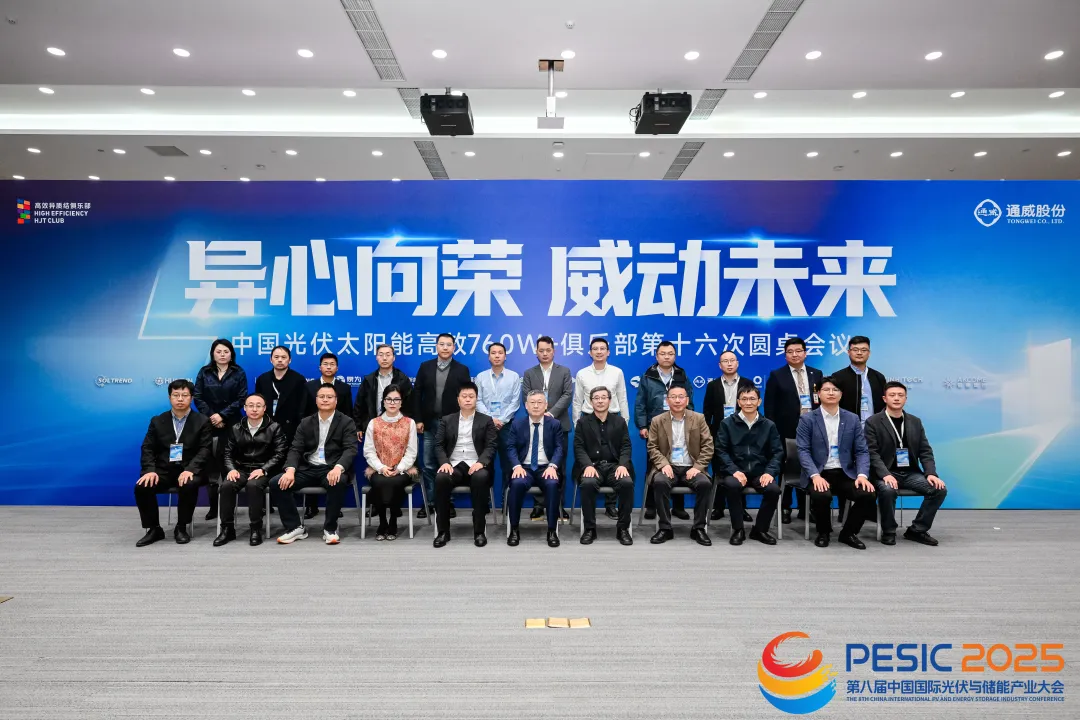
The conference was grandly held under the theme “Thriving with HJT, Powering the Future.” Participants focused on the cutting-edge advancements and mass-production practices of HJT technology, actively contributing ideas and suggestions. They explored industry opportunities with the aim of building a collaborative and innovative industrial ecosystem for a shared green future.
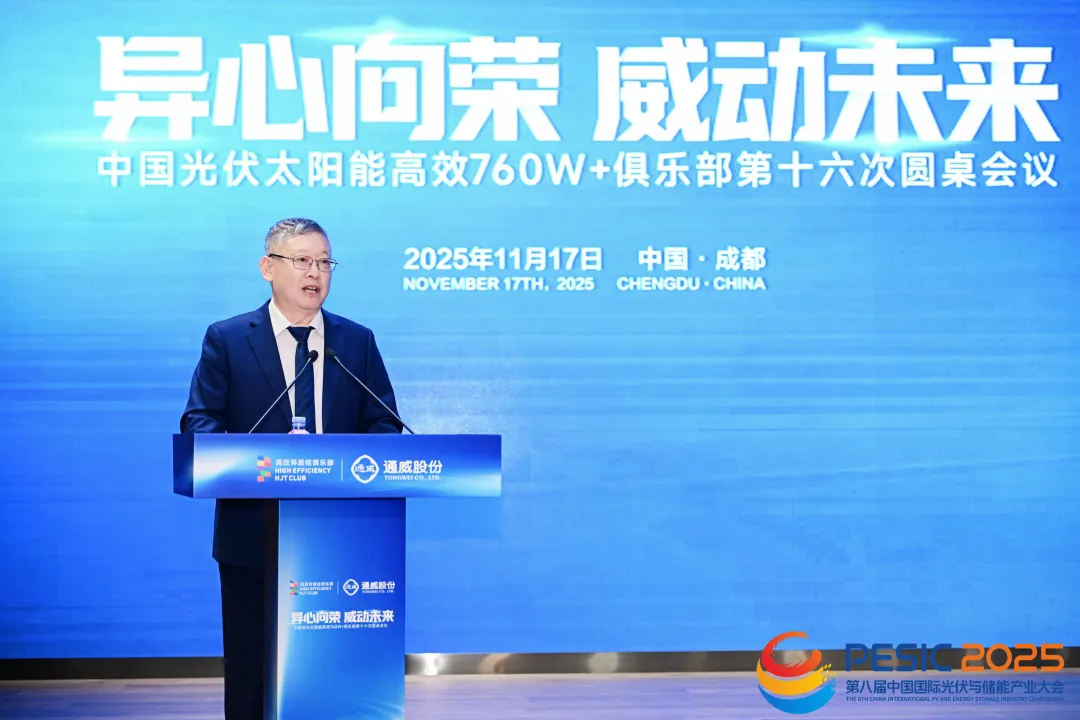
Dr. Xing Guoqiang, Chief Technology Officer of Tongwei, attended the conference and delivered a speech. He extended a warm welcome to all guests present. The PV industry is currently undergoing a critical phase of technological innovation and industrial restructuring. Within 16 months since it launch, Tongwei’s Global Innovation R&D Center has achieved four major breakthroughs in module power output, increasing it from 730W to 780W, while reducing silver consumption to below 4 mg/W. Faced with a landscape where multiple technological approaches coexist, Dr. Xing emphasized that HJT technology will continue to expand its market share in the future, owing to its comprehensive advantages, including simplified process flows, ultra-high module power, and excellent bifaciality. This conference has established a vital exchange platform for the industry. Tongwei will collaborate with club members to advance the industrialization of HJT technology and promote the high-quality development of the PV sector.
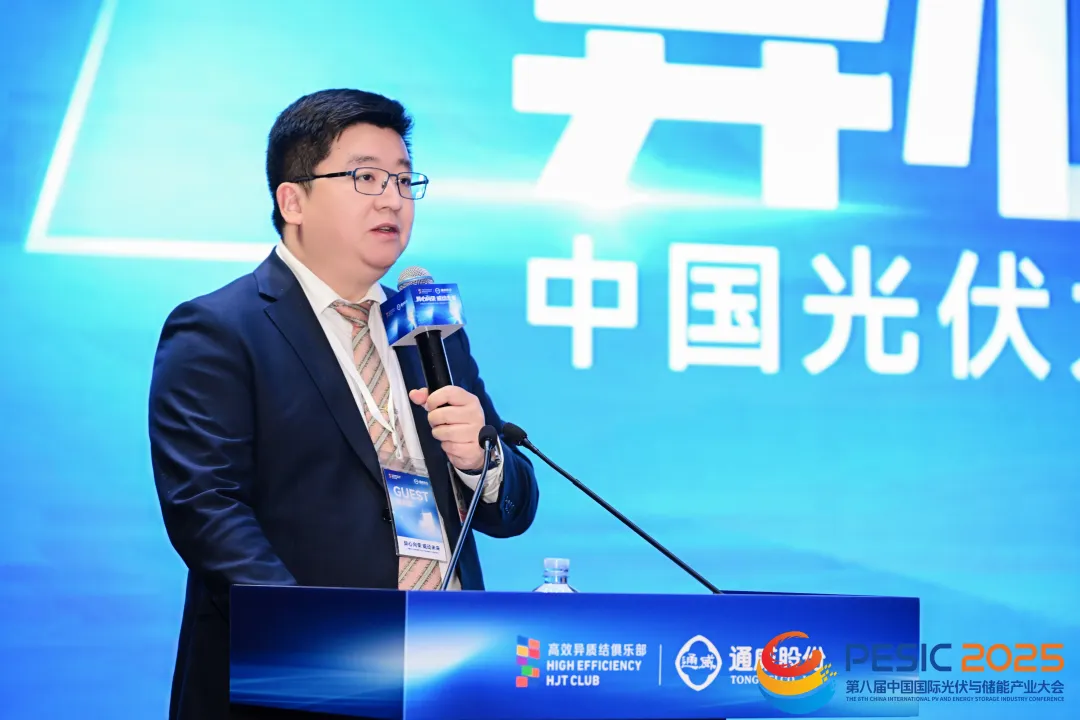
Dr. Long Wei, Director of the PV Technology Centre at Tongwei, chaired the meeting. In the special report session, Dr. Long delivered a keynote speech titled "Progress in the Development of 780W HJT Modules." He highlighted Tongwei's major breakthroughs in the R&D of 780W HJT modules. Currently, Tongwei's silver-coated copper modules have achieved a weighted average power output of 775.9W, and its copper-interconnected modules have reached a peak power output exceeding 780.2W. Tongwei has completed the construction of a 5 MW fully automated pilot line. The research efficiency for small-sized tandem cells has reached 34.94%, while the full-area conversion efficiency of commercial-scale 210 mm half-cell tandem modules has surpassed 30.58%.
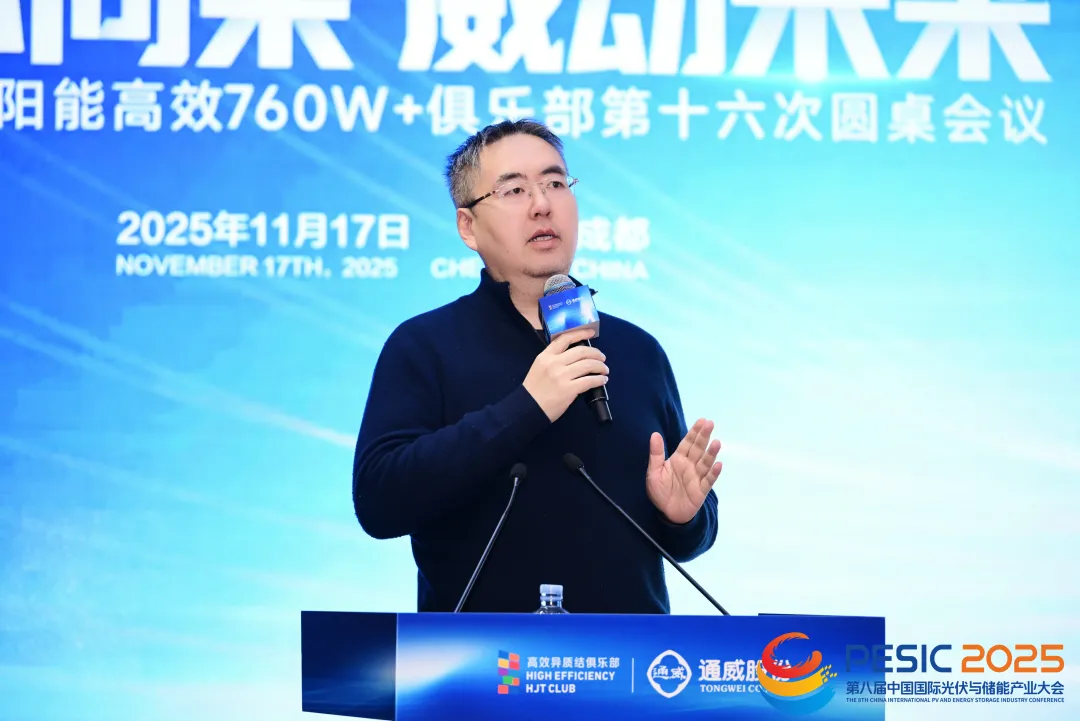
Zhou Jian, Chairman of Maxwell, delivered a keynote speech titled "Integrated Line Solutions for Perovskite-HJT Tandem Solar Cells," systematically presenting Maxwell’s technological breakthroughs and industrialization progress in the field of perovskite-HJT tandem cells. He pointed out that the company's self-developed, world’s first large-format integrated production line solution for perovskite-HJT tandem cells has achieved a pilot line capacity of 200 MW, with cell conversion efficiency exceeding 30%. By leveraging core technologies such as pre-printing and inkjet printing, the uniformity of large-area thin films has been significantly enhanced. It is forecasted that the production line efficiency will increase to 32% in 2026. Maxwell has planned a perovskite equipment industrialization project worth RMB 2.138 billion (approximately USD 301 million), which will provide the photovoltaic industry with full-cycle solutions spanning from R&D to large-scale mass production.
In the thematic discussion session, Dr. Long explored several topics with guests: the government released Document 136 that requires all new wind and solar projects to fully enter the spot market from June 1, 2025, ending fixed government pricing. After that, HJT companies improve the market competition strategy; the consensus between HJT energy efficiency standards and collaboration on technology routes; the mass production timeline and technical implementation pathway for 740W-class HJT products; and HJT capacity optimization and market expansion amid silver price volatility.
Ⅰ. Strategy of Market Competitiveness Improvement of HJT Companies under Doc. 136
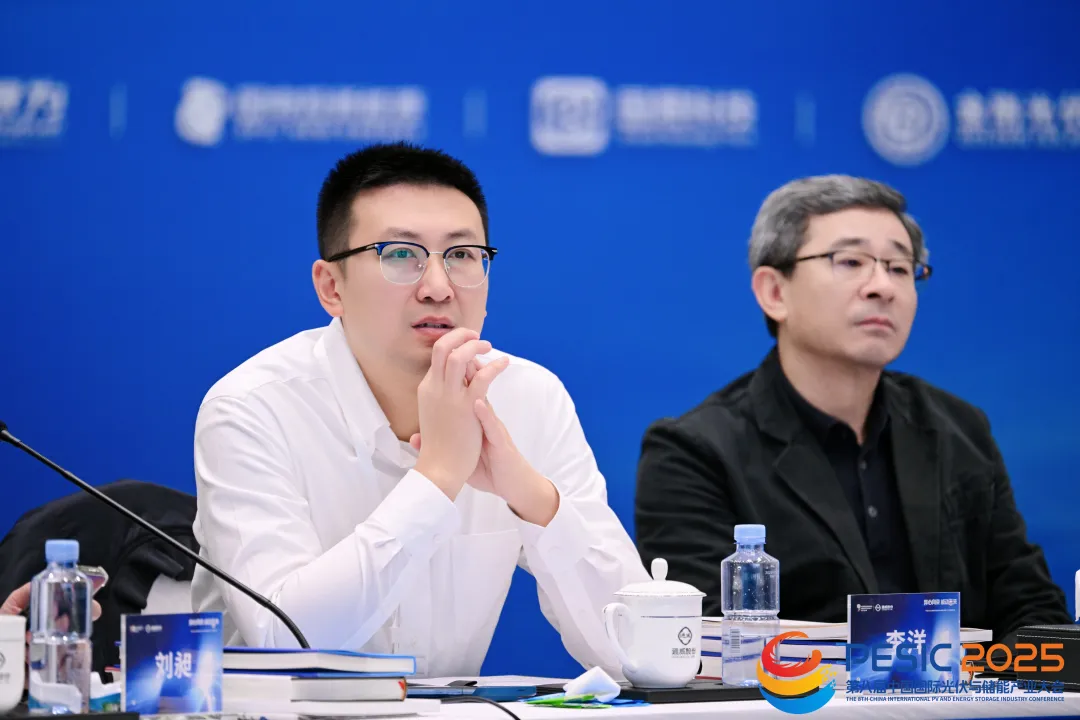
Li Yang, Deputy General Manager of SPIC New Energy, stated that SPIC New Energy’s tender focused on product price and the electricity pricing mechanism responsive to market changes. It is imperative to improve the conversion efficiency of HJT production, promote the existing production line to release the capacity, and bring the quality products to market.

Tian Jiehua, Deputy General Manager of the technology center at Huasun, emphasized that there is a difference between foreign and Chinese electricity prices and patterns of agricultural development. Europe is the main area where the PV modules are currently installed vertically. China can learn from it and explore the vertical installation of localization applications like tea plantations. Xinjiang is the region whose peak-to-valley price differential is significant, so vertical installation has higher profitability than installation with optimum slope. The Chinese market is currently experiencing a contraction in customer demand. The PV industry faces the challenge of long-term reliability of products. It needs the companies’ cooperation in the whole industry chain so that it can achieve sustainable development.

Tang Doudou, Vice President of Leascend Photovoltaic, said that HJT module shipments have declined compared with that in 2024, according to relevant data. This reflects not only the intense market competition and industry-wide overcapacity but also the multiple challenges HJT technology still faces in its large-scale industrialization, such as cost control and supply chain coordination. The road to widespread HJT adoption remains long and challenging. We call on everyone to work together to increase HJT's market share, deepen technological advancement, empower application scenarios, and overcome the industry downturn collectively.
Ⅱ. Consensus Establishment between HJT Energy Efficiency Standards and Collaboration on Technology Routes
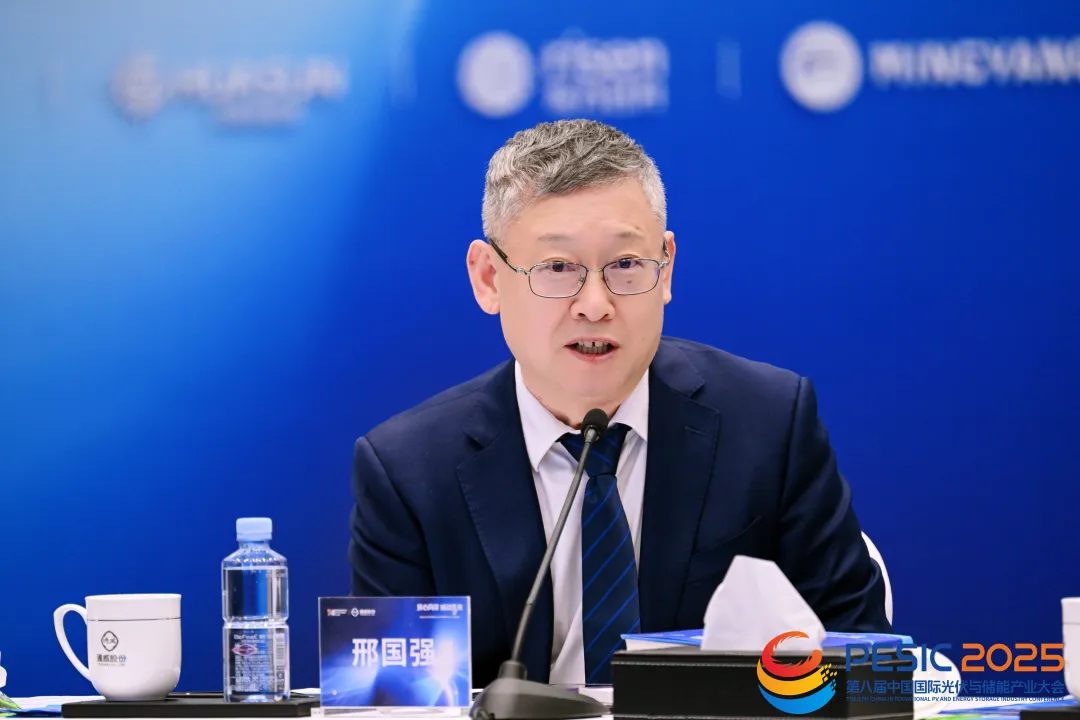
Dr. Xing stated that as one of China's “New Three” industries, photovoltaics has become a new showcase of Chinese manufacturing. Currently, the HJT industry is facing challenges such as declining demand and production capacity optimization, making it even more necessary to clarify the energy efficiency standards of different technological pathways. We should remain confident in HJT technology. Once its power output exceeds 770W, it will possess stronger market competitiveness. It is important to honestly evaluate the strengths and weaknesses of each technological route. HJT's temperature coefficient performance in specific scenarios, such as high-temperature regions, represents a significant advantage.
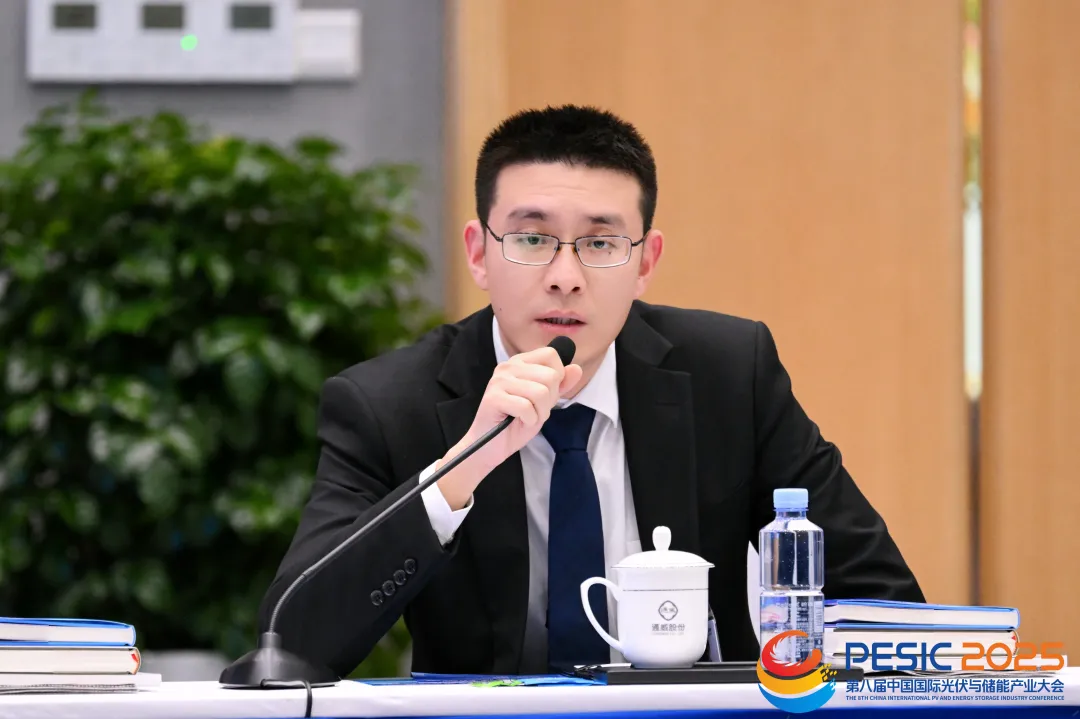
Chen Hui, Director of the PV technology center at Tongwei, added that in the comparison between three-segment and four-segment HJT cells, the three-segment design holds advantages in cost, power output, and retrofitting expenses, while the four-segment design performs better in bifaciality and customer acceptance. Nevertheless, empirical data remains crucial, and the suitability of each technology for specific application scenarios must be rationally evaluated.
Ⅲ. Analysis of the Mass Production Timeline and Technical Implementation Pathway for 740W-Class HJT Products
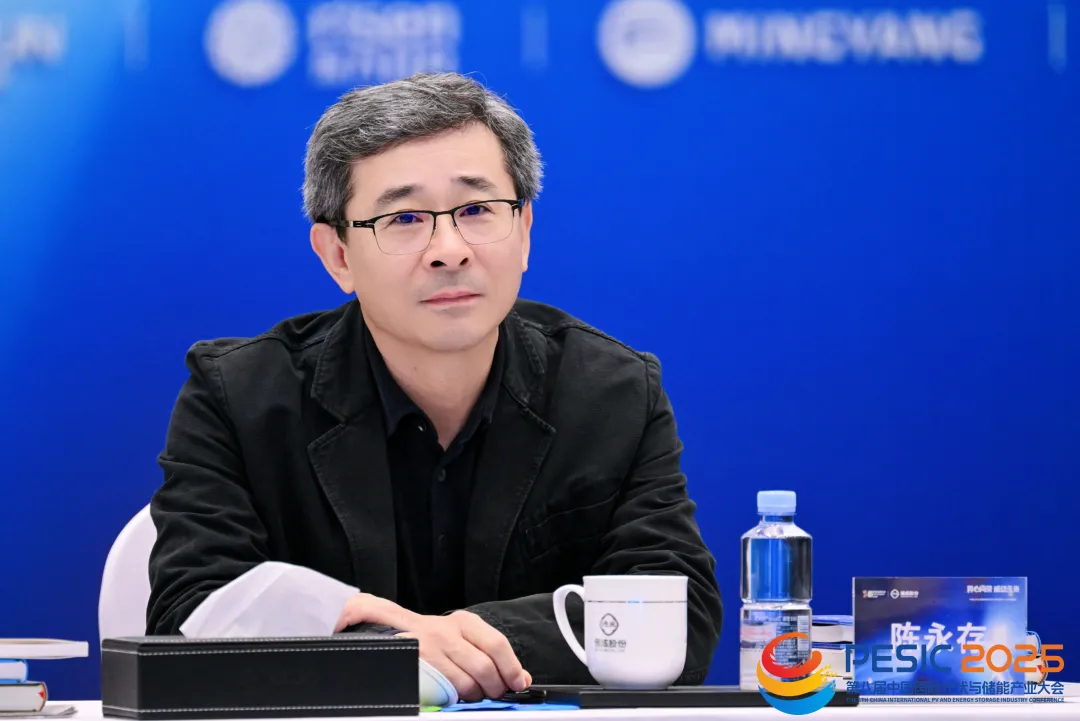
Chen Yongcun, Chairman of SPIC New Energy, expressed his opinions as an investor. HJT products must occupy a clear position in the future energy structure. At this stage, the core task is to improve the efficiency at a faster pace and make sure the production line with mass production capability can produce high-efficiency modules stably. The core objective at this stage is to drive rapid efficiency improvements and ensure that production lines capable of mass production can consistently deliver high-performance modules. This practical power generation performance will demonstrate the market competitiveness and investment value of HJT technology.
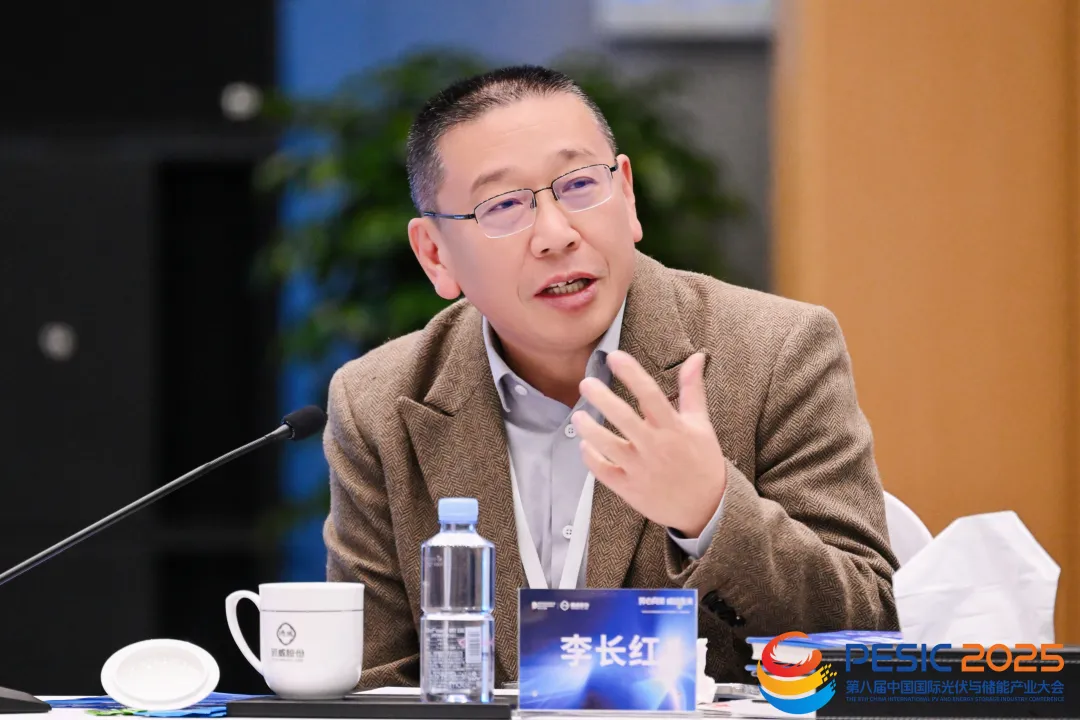
Li Changhong, CEO of SoleFiori, stated that for HJT technology to remain competitive in the intense market, the key lies in achieving rapid technological iteration and efficient capacity transformation within the next 1–3 years. He also stressed the importance of building synergies with industry partners and enhancing the overall competitiveness of the industrial chain by uniting for mutual support.
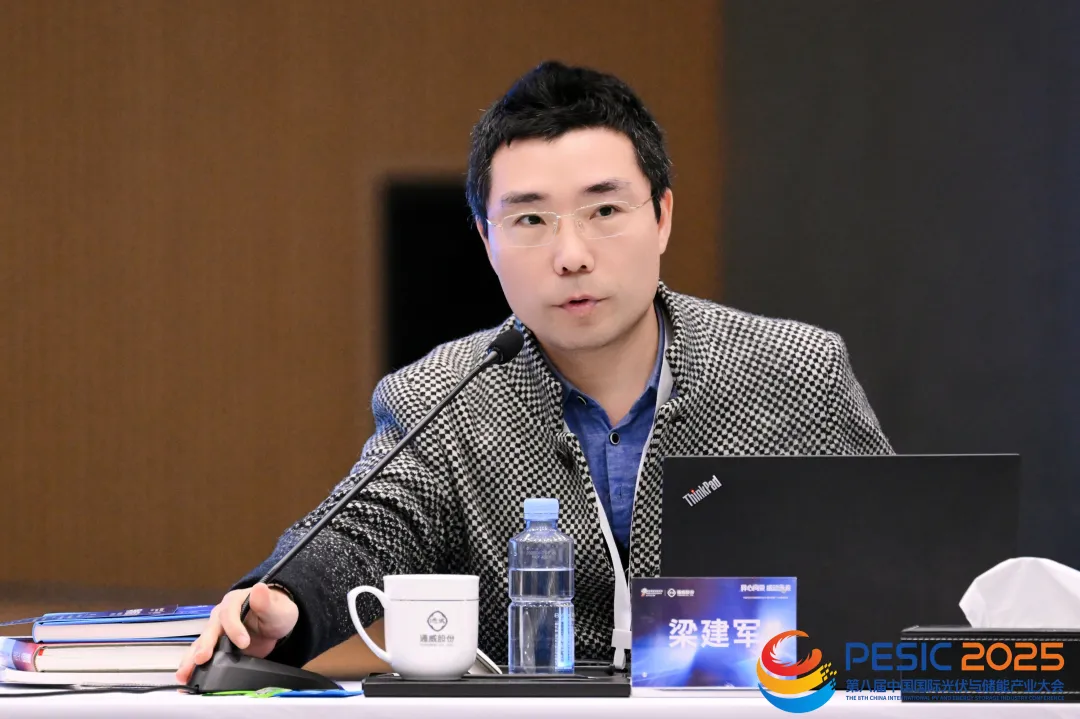
Liang Jianjun, CTO of Shanghai Hency Solar, highlighted that future advancements in HJT technology should concentrate on three key areas to achieve fundamental breakthroughs. First, it is essential to make strides in cell-level photoelectric conversion technology to enhance efficiency from the source. Second, the industry must overcome mass production challenges associated with module-level multi-slice design to enable efficient and stable manufacturing. Concurrently, a systematic improvement in long-term product reliability and durability is needed. These efforts will pave the way for heterojunction technology to transition from laboratory innovation to large-scale application.
Ⅳ. Discussion on HJT Capacity Optimization and Market Expansion Amid Silver Price Volatility
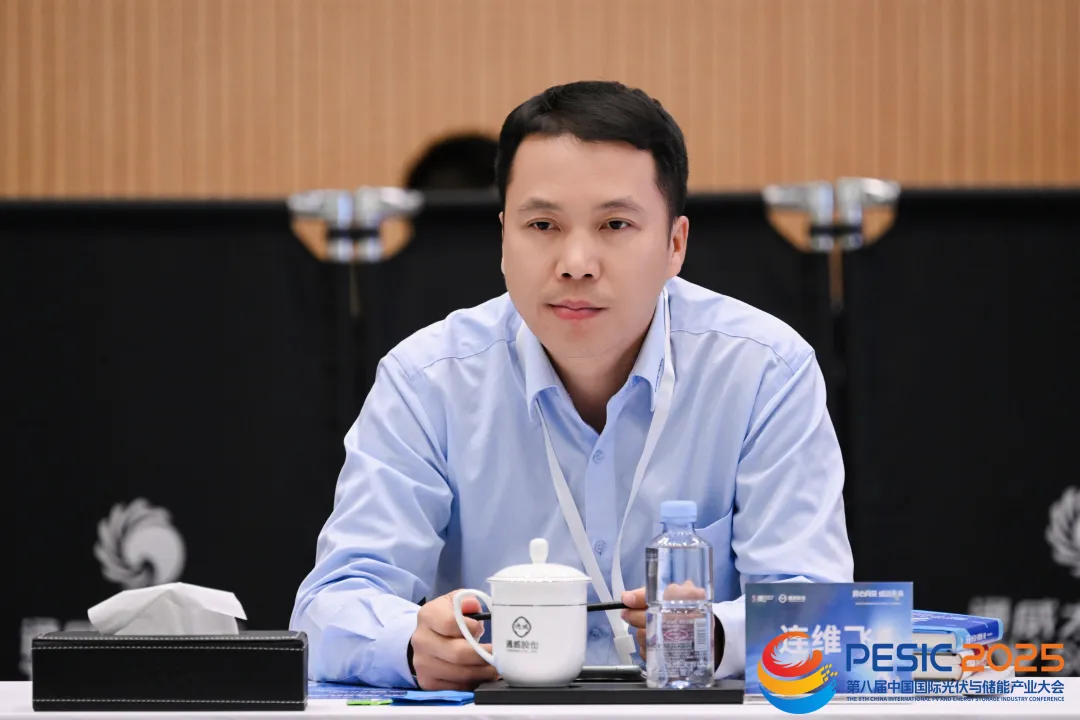
Lian Weifei, Winhitech R&D Director, stated that the company has made efforts and achieved certain results in HJT product optimization. These include improvements in the passivation process, replacement of nitrous oxide, adoption of PVD narrow masking and steel mesh screen printing with low-silver content paste, as well as low-degradation encapsulation solutions. However, he noted that enhancing product performance remains the critical challenge to be urgently addressed. To resolve this, coordinated breakthroughs in key material systems and manufacturing processes are imperative. This will ensure the stable and efficient scale-up of advanced technologies from pilot lines to mass production, thereby fully unlocking the potential of existing capacity and enhancing overall competitiveness.
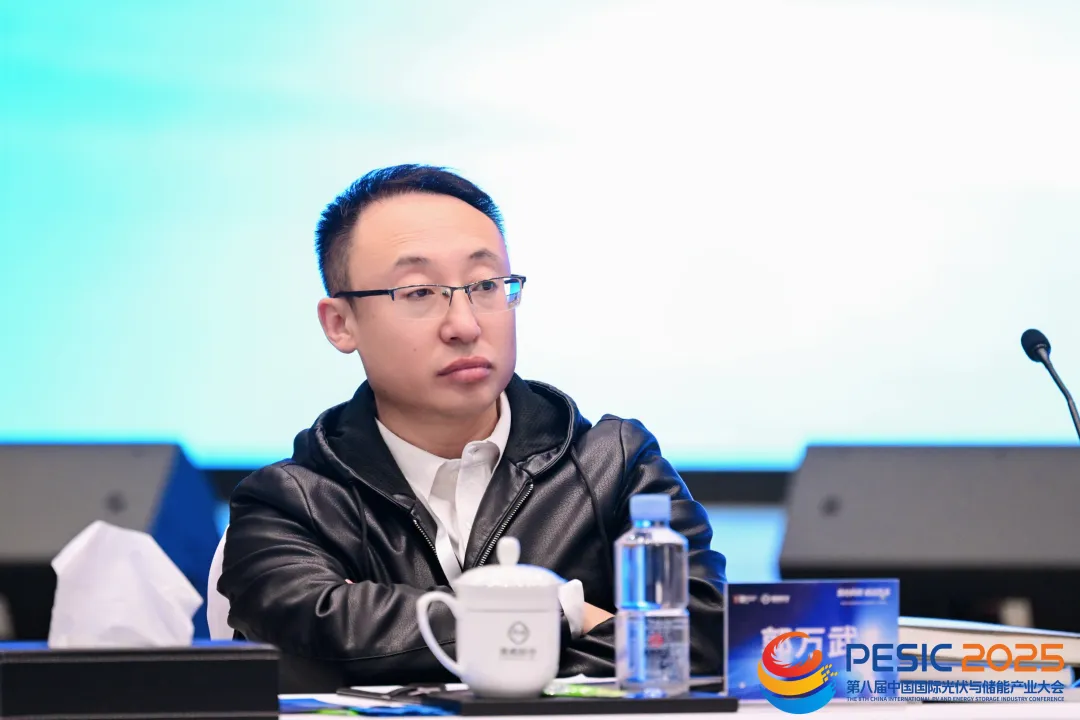
Guo Wanwu, Vice President of CNBM Jetion Solar, noted that in the current market downturn, a gap remains between the feasibility of technological upgrades and the investment warranted by our existing capacity scale. This is reflected in the industry’s broad recognition of a technology’s potential alongside a notably cautious approach to implementation. On the reliability front, process optimizations at the cell level have led to substantial improvements in silicon-based thin films at the microscopic scale, while at the module level, the company has conducted ample outdoor empirical testing and comparison. As understanding of key processes and materials has deepened, the earlier reliability shortcomings of HJT technology have been addressed, resulting in more stable fundamental product performance and greater overall confidence in reliability.
The 740W power solution for the first phase has been essentially finalized. Building on this foundation, we believe the roadmap toward achieving 760W and even 780W will become increasingly clear.
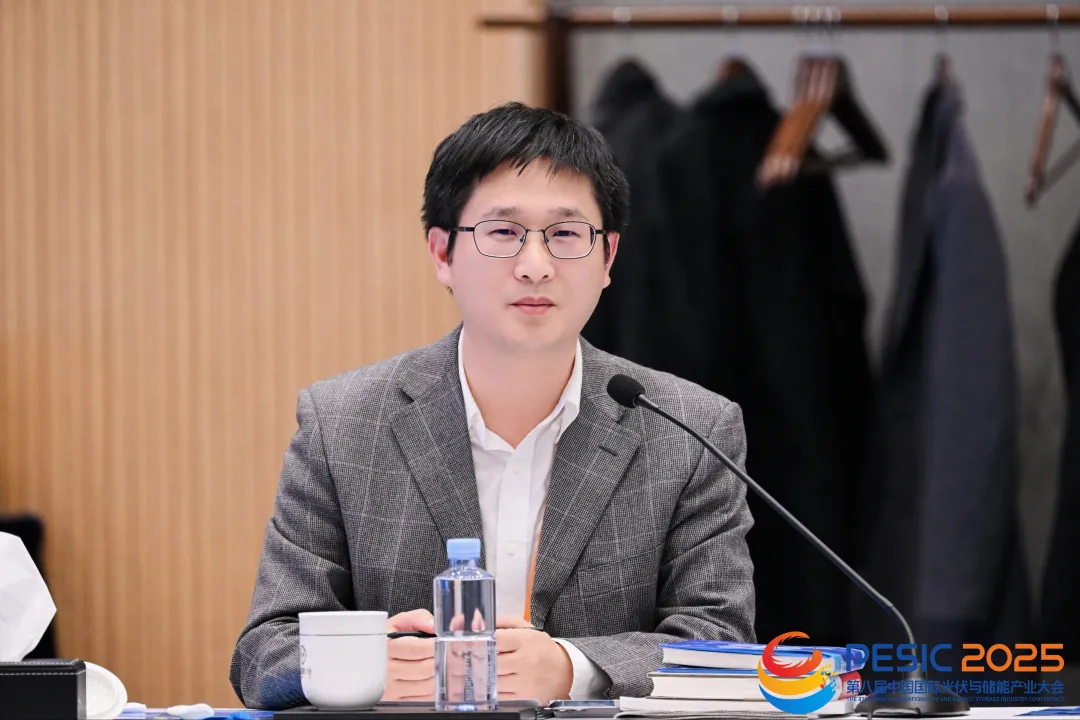
Hu Jianbo, Executive Vice President of Shanghai Hency Solar, revealed that the company will prioritize exploring high-value overseas markets and deepen collaborative innovation with upstream and downstream partners. Through close cooperation, they aim to jointly improve the long-term stability of the output power of HJT products and build a more resilient, secure, and controllable supply chain system, thereby enhancing the company's overall competitiveness.

Yang Junyan, Product Director of Grand Sunergy Technology, noted that market demands for HJT products are becoming increasingly stringent, mainly focusing on two key aspects: higher power and lower cost. However, compared to other cell technology routes, the more pressing task for HJT at this stage is to accelerate the launch of higher-power products. He emphasized that the pace of technological iteration in the photovoltaic industry has significantly accelerated in recent years, with the development cycles for new products across all technology routes continuing to shorten. In response to this trend, the HJT sector must effectively leverage industry resources such as the 760W+ Club. Through collaborative innovation and information sharing, the industry can speed up the development, verification, and mass production of new products, thereby securing a competitive edge in the new round of industry competition.

Wang Fang, Key Account Director of Quanwei, stated that the meeting has further solidified the industry's confidence in the future of HJT. Facing current challenges, she noted that the immediate priority is to overcome efficiency bottlenecks and promote collaborative innovation across the entire industrial chain. By leveraging complementary strengths for collective development, the overall competitiveness of the sector can be enhanced.
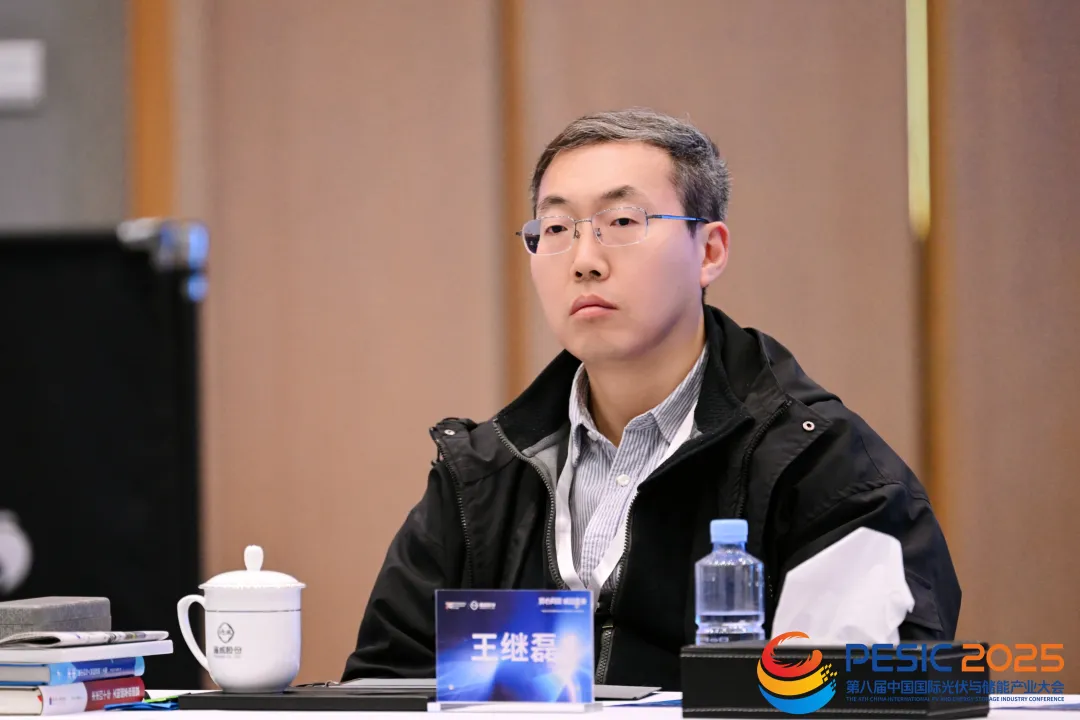
Wang Jilei, Vice President of Soltrend, estressed that amid current challenges, the industry must treat survival and development as its central mission. He outlined two key approaches: first, collaborating on advanced technologies such as multi-wafer segmentation and prioritizing the expansion into differentiated application scenarios like sandy, desertified, and Gobi (SDG) areas to fully harness the performance strengths of HJT products. Second, exploring coordinated business initiatives to effectively lower overall industry chain costs and jointly boost market competitiveness.

Zhang Xiong, General Manager of Mingyang, outlined the company’s differentiation strategy: focusing on the R&D of perovskite-HJT tandem products and strategically targeting high-value segments such as BIPV. By leveraging integrated technological innovation, the company aims to carve out a distinct niche, avoid homogeneous competition, and build a lasting moat in specialized fields. This approach is designed to steadily accumulate core technological advantages and expand its market presence.
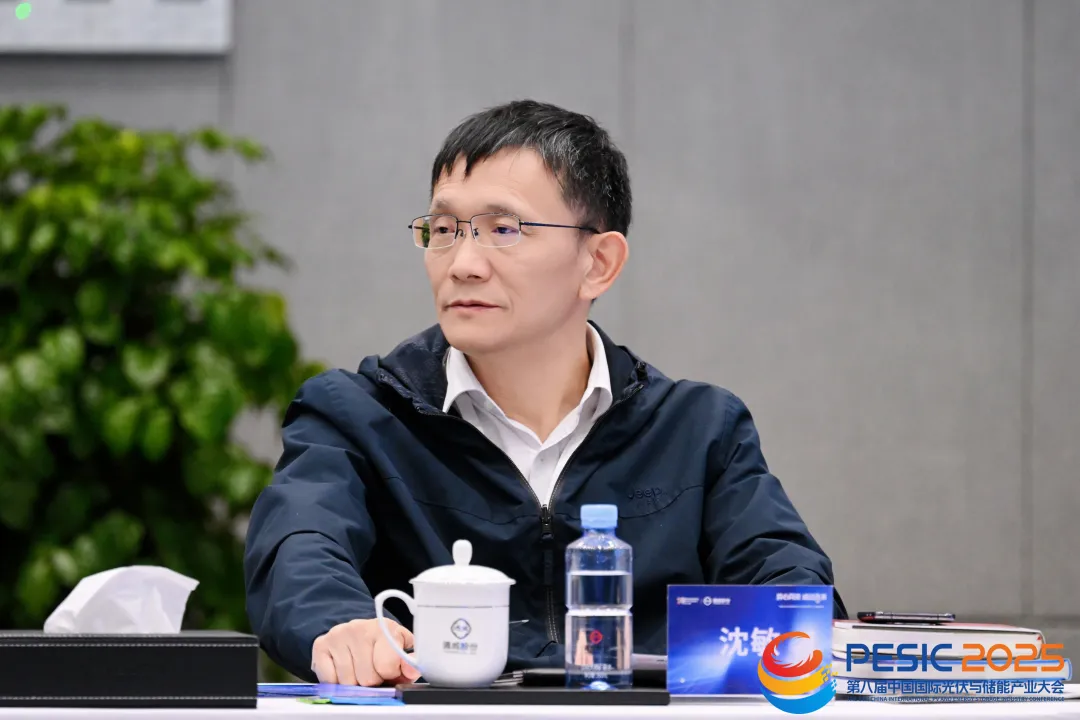
Shen Min, Vice President of Winhitech, identified the key to the HJT industry's breakthrough. He stated it lies in managing the dynamic balance between efficiency and cost. The fundamental path to achieving this target is through relentless technological innovation. This includes continuous upgrades in equipment, process, and material technologies. The focus must be on solving critical production issues like capacity, yield rate, and rework rate. These efforts lay the foundation for cost-effective mass production of high-efficiency products.
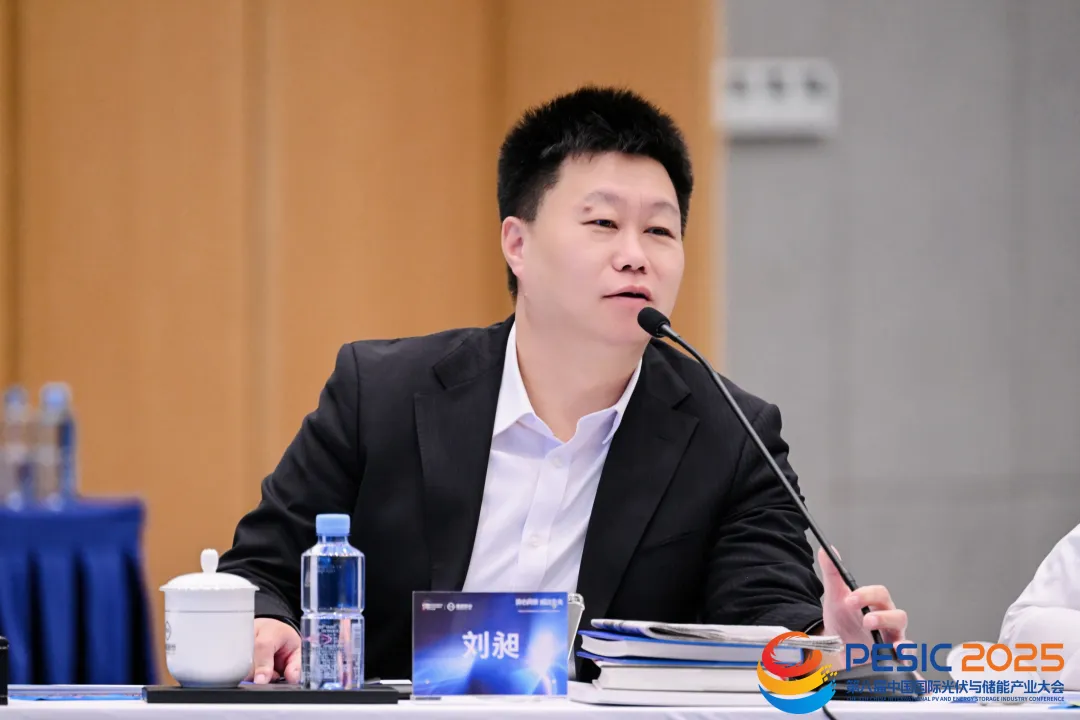
Liu Chang, Executive Secretary-General of the club, affirmed the meeting's role in building industry consensus and boosting confidence during challenging times. He announced preparation plans for the next rotating chair organization. Liu stressed that HJT development must directly confront challenges. Achieving breakthroughs particularly requires scenario-based innovation and ecosystem collaboration.
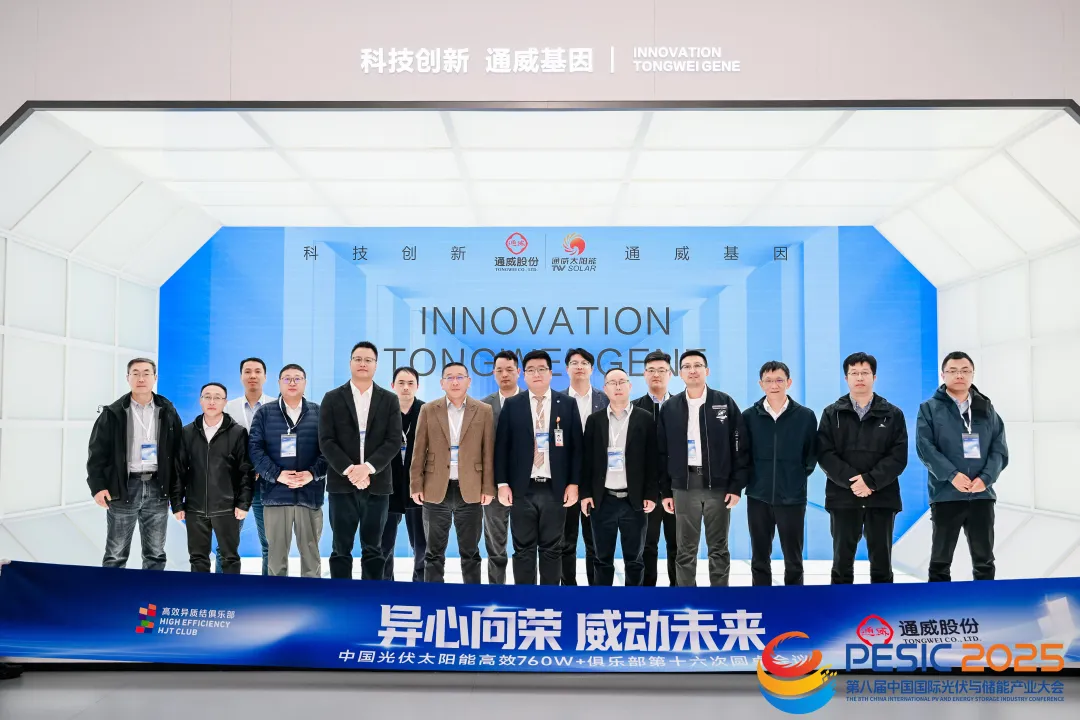
During the roundtable, Tongwei invited attendees to visit its Global Innovation R&D Center exhibition hall. Guests gained in-depth understanding of Tongwei's PV technology R&D strategy and achievements.
The successful convening of the 16th roundtable meeting of the 760W+ Club has forged a stronger consensus among China's core HJT companies. It demonstrated the industry's firm confidence in future technological pathways. Leading companies and experts across the industrial chain held productive discussions on key issues. These exchanges provided valuable insights for technological evolution and industry standards. The event showcased the sector's robust R&D capabilities and commercial vitality. It also conveyed a strong industry-wide commitment to collaborative progress and healthy development.


